
China’s Zero-Tariff Push for African Products Adds New Competition in Food Imports

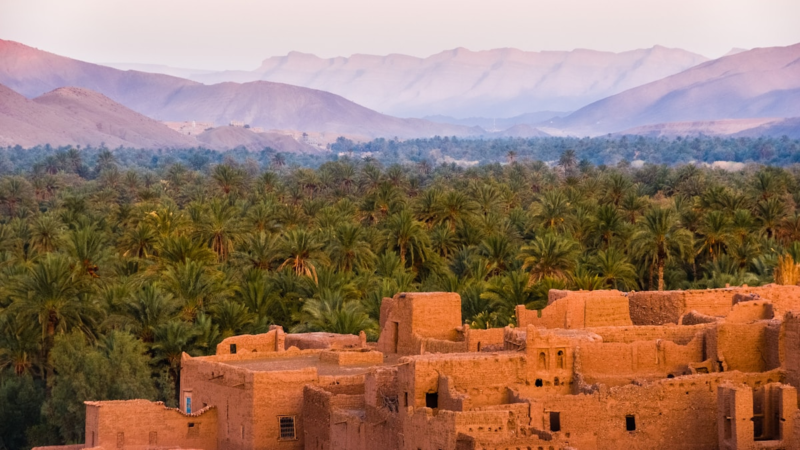
Photo by James Dalrymple on Unsplash
Summary
China implemented zero-tariff treatment for all 53 African diplomatic partners from 1 May 2026, making it the first major economy to grant unilateral, full-coverage duty-free access to all African nations and all least-developed trading partners. In the first month, goods from 20 African countries that are not classified as least-developed reached over 1.63 billion yuan through Guangzhou customs alone. The policy covers products including South African apples, Egyptian frozen strawberries, Kenyan coffee and avocados, and South African wine, with tariffs dropping from 7% to 14% to zero for various categories.
Summary in Chinese
自2026年5月1日起,中国对53个非洲建交国全面实施零关税,成为全球首个对所有非洲建交国和所有建交最不发达国家实现单方面、全覆盖零关税待遇的主要经济体。实施首月,仅经广州海关申报进口的20个非最不发达国家非洲原产货物货值即超16.3亿元。政策涵盖南非苹果、埃及冷冻草莓、肯尼亚咖啡和鳄梨、南非葡萄酒等品类,相关关税从7%至14%降至零。
Comment
New Zealand exporters competing in categories now open to African zero-tariff supply, particularly apples, wine, coffee and frozen berries, face a direct margin squeeze as Chinese buyers gain cheaper alternatives. Rather than matching on price, NZ producers should double down on provenance marketing, food safety certification and premium positioning that African origins cannot easily replicate in the near term. The broader strategic takeaway is that Beijing is systematically using tariff policy to diversify food import sources, and NZ trade negotiators and industry bodies should factor this trajectory into long-term market planning.
Comment in Chinese
在苹果、葡萄酒、咖啡和冷冻浆果等品类上,新西兰出口商将面临非洲零关税产品带来的直接价格竞争。与其在价格上硬拼,新西兰生产商应强化产地故事、食品安全认证和高端定位,这是非洲产地短期内难以复制的优势。更宏观的战略启示是,北京正系统性地运用关税政策来多元化食品进口来源,新西兰贸易谈判代表和行业协会应将这一趋势纳入长期市场规划。