
Summary
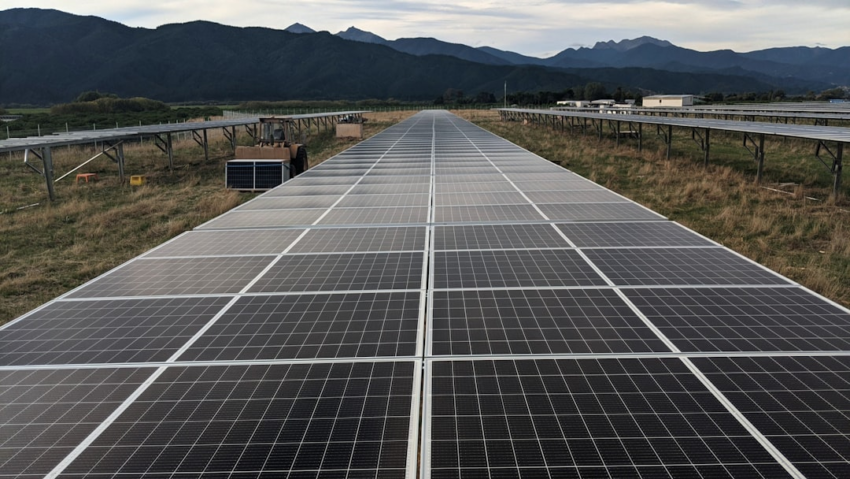
New Zealand solar developer Contact Energy and global solar giant Lightsource bp have announced a partnership to jointly develop solar projects in New Zealand. The two companies will leverage their respective strengths to accelerate renewable energy deployment, helping New Zealand achieve its goal of 100% renewable electricity generation by 2030. The initial focus will be on large-scale ground-mounted solar farms, with a total installed capacity expected to exceed 1 GW.
This move will drive New Zealand's energy transition, lower electricity costs, and create jobs.
Commentary
For small and medium-sized enterprise (SME) owners in New Zealand, the solar partnership between Contact and Lightsource bp sends a clear signal: renewable energy is becoming the new infrastructure of New Zealand's economy. Firstly, lower energy costs will directly benefit large electricity users such as manufacturing and cold-chain logistics; businesses can consider long-term power purchase agreements (PPAs) to lock in low electricity prices. Secondly, solar project development will drive demand for local supply chains, including mounting structures, cables, and installation services, offering subcontracting opportunities for relevant SMEs.
However, large projects may push up land and labour costs, and the agriculture and tourism sectors need to assess impacts on landscape and land use. Additionally, foreign participation in local energy projects may spark discussions about energy security, but the current partnership model is led by a local company, keeping risks manageable. Overall, this partnership accelerates New Zealand's green transition.
SMEs should proactively assess their own energy needs and explore distributed solar or green electricity procurement to reduce operating costs and enhance brand image.
Keywords: Contact Energy, Lightsource bp, solar, New Zealand, renewable energy, partnership, electricity generation, energy transition
Summary in Chinese | 摘要
新西兰太阳能开发商Contact Energy与全球太阳能巨头Lightsource bp宣布合作,共同开发新西兰太阳能项目。双方将利用各自优势,加速可再生能源部署,助力新西兰实现2030年100%可再生能源发电目标。合作初期将聚焦于大型地面电站,预计总装机容量超过1吉瓦。
此举将推动新西兰能源转型,降低电力成本,并创造就业机会。
Commentary in Chinese | 评论
对于新西兰中小企业主而言,Contact与Lightsource bp的太阳能合作释放了明确的信号:可再生能源正在成为新西兰经济的新基础设施。首先,能源成本下降将直接利好制造业、冷链物流等用电大户,企业可关注长期购电协议(PPA)锁定低价电力。其次,太阳能项目开发将带动本地供应链需求,如支架、电缆、安装服务等,相关中小企业可争取分包机会。
然而,大型项目可能推高土地和劳动力成本,农业和旅游业需评估对景观和土地利用的影响。此外,外资参与本地能源项目可能引发关于能源安全的讨论,但当前合作模式以本土企业为主导,风险可控。总体而言,这一合作加速了新西兰的绿色转型,中小企业应主动评估自身能源需求,探索分布式光伏或绿电采购,以降低运营成本并提升品牌形象。
关键词: Contact Energy, Lightsource bp, 太阳能, 新西兰, 可再生能源, 合作, 发电, 能源转型

Source: Online Search
Disclaimer: This article is compiled from publicly available sources for general information only. The analysis and commentary are editorial opinions. MiDeer Observer does not guarantee the accuracy or completeness of the information provided. Readers should seek independent professional advice before relying on this content, or contact us for more information.
免责声明:本文基于公开信息编译,仅供一般性参考。文中分析与评论为编辑观点。MiDeer Observer 不对所提供信息的准确性或完整性作出保证。读者在依赖本文内容前,应寻求独立专业意见,或联系我们获取更多信息。