
Guangxi Accelerates Its Role as a Distribution Hub for ASEAN Fruit

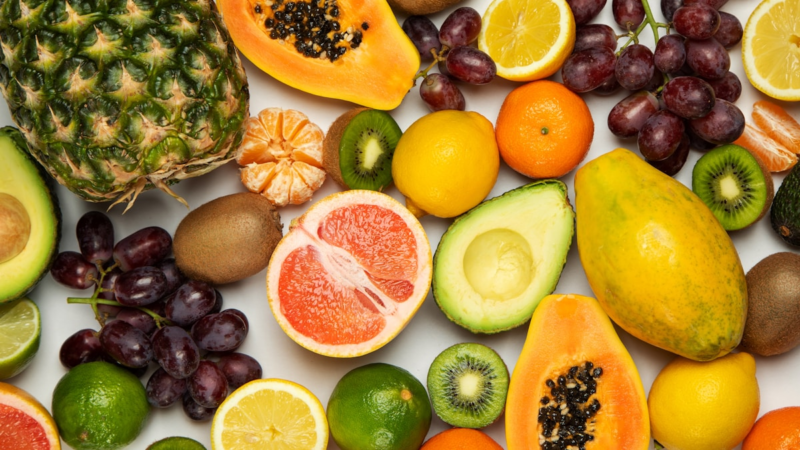
Photo by Fikri Rasyid on Unsplash
Summary
Guangxi is accelerating its development as a distribution hub for ASEAN fruit, having built 12 designated fruit import supervision sites covering all port types. Key border crossings including Youyiguan, Dongxing, Qinzhou Port and Nanning airport operate round-the-clock customs clearance with dedicated green channels for imported fruit. In the first four months of 2026, Guangxi ports handled 894,700 tonnes of ASEAN fruit imports, up 12.3% by volume and 58.9% by value to 9.525 billion yuan. Nearly one-third of all ASEAN fruit entering China now passes through Guangxi.
Summary in Chinese
广西加快建设东盟水果集散枢纽,已建成12个进境水果指定监管场地,实现全类型口岸全覆盖。友谊关、东兴、钦州港、南宁空港等口岸推行全天候通关和进口水果绿色通道。2026年前4个月,广西口岸进口东盟水果89.47万吨,同比增长12.3%,货值95.25亿元,增长58.9%。目前中国进口的东盟水果中近三分之一经广西入境。
Comment
With nearly a third of China’s ASEAN fruit imports now routed through Guangxi, the province’s cold-chain infrastructure and customs efficiency are setting competitive baselines that affect how Chinese buyers evaluate all imported produce, including New Zealand apples, kiwifruit and cherries. NZ exporters should monitor whether Guangxi’s expanding distribution networks start handling Southern Hemisphere fruit as well, which could open alternative entry points beyond Shanghai and Guangzhou. The 58.9% value growth outpacing 12.3% volume growth suggests Chinese consumers are paying more for ASEAN fruit, a trend NZ premium produce can capitalise on if quality and branding are managed well.
Comment in Chinese
近三分之一的中国东盟水果进口经广西入境,该省的冷链基础设施和通关效率正在设定影响中国买家评估所有进口水果(包括新西兰苹果、猕猴桃和樱桃)的竞争基准。新西兰出口商应关注广西不断扩大的分销网络是否会开始处理南半球水果,这可能在上海和广州之外开辟新的入境口岸。货值58.9%的增速远超12.3%的量增,表明中国消费者愿为东盟水果支付更高价格,新西兰高端水果若能做好品质管控和品牌建设,同样可以从中受益。