
Summary
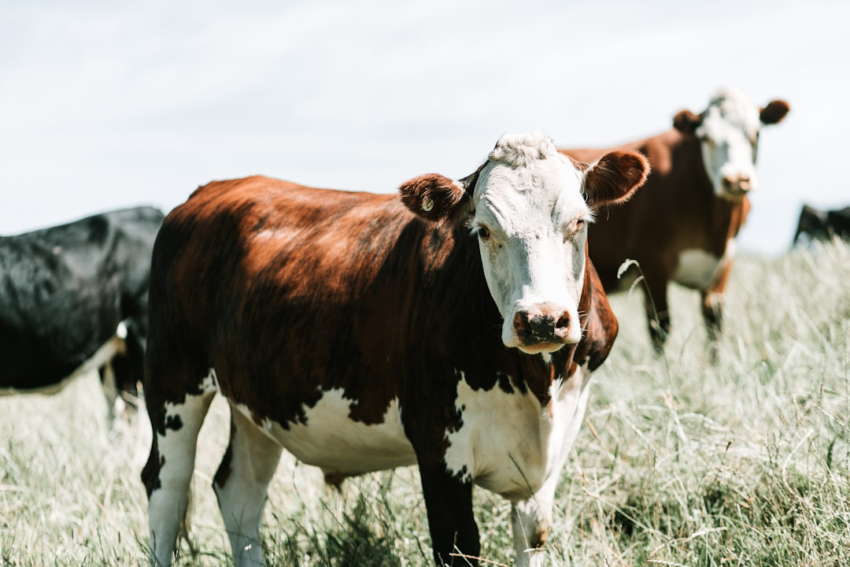
New Zealand grass-fed chilled beef has arrived in the Beijing market via full cold chain logistics, never having been frozen, thus preserving the original flavour and nutritional value of the beef. This delivery marks the first large-scale entry of this category into China's capital, signifying further deepening of cooperation between New Zealand and China in high-end meat trade. The beef was transported at 0-4°C throughout, ensuring product freshness and safety.
This initiative aims to meet the growing demand of Chinese consumers for high-quality, healthy food, while showcasing New Zealand's technological advantages in cold chain logistics and agricultural exports. The pricing strategy and supply chain management reference international standards, laying the foundation for subsequent market promotion.
Commentary
For NZ SME owners, the entry of chilled beef into the Beijing market sends an important signal: China's high-end consumer group has a clear demand for fresh, non-frozen imported meat and is willing to pay a premium for quality. This means that if your business is involved in meat exports, the chilled rather than frozen logistics model could be the key to competitive differentiation. However, it is worth noting that chilled beef has a short shelf life and high transport barriers, with requirements for cold chain logistics and end sales channels far exceeding those for frozen products.
From another perspective, this case also shows that China's consumption upgrade is extending from aquatic products and fruits to red meat. Similar opportunities may arise in categories such as lamb and venison. Meanwhile, consumer awareness of labels such as 'grass-fed' and 'never frozen' is increasing, making relevant certifications and traceability capabilities the entry ticket to high-end supermarkets or e-commerce platforms.
However, SMEs should be wary of risks from over-reliance on a single market: Beijing's success may not be directly replicable to other cities, and import cold chain regulatory policies may be tightened dynamically. In the future, if companies can collaborate with industry associations to promote standardisation of China's clearance procedures for chilled meat, or develop mid-priced products targeting second- and third-tier cities, they may unlock broader opportunities.
Keywords: New Zealand beef, chilled, grass-fed, Beijing market, imported beef, cold chain logistics, high-end consumption, China-New Zealand trade
Summary in Chinese | 摘要
新西兰草饲冷鲜牛肉通过全程冷链运输抵达北京市场,产品从未经过冷冻处理,保持了牛肉的原始风味和营养价值。此次交付是该品类首次大规模进入中国首都,标志着中新两国在高端肉类贸易领域的合作进一步深化。牛肉全程在0-4℃环境下运输,确保了产品的新鲜度和安全性。
这一举措旨在满足中国消费者对高品质、健康食品日益增长的需求,同时展示了新西兰在冷链物流和农产品出口方面的技术优势。产品的定价策略和供应链管理参考了国际标准,为后续市场推广奠定了基础。
Commentary in Chinese | 评论
对于新西兰中小企业主而言,冷鲜牛肉进入北京市场释放了重要信号:中国高端消费群体对新鲜、非冷冻的进口肉类有明确需求,且愿意为品质支付溢价。这意味着,如果您的企业涉及肉类出口,冷鲜而非冷冻的物流模式可能成为差异化竞争的关键。但需注意,冷鲜牛肉的保质期短、运输门槛高,对冷链物流和终端销售渠道的要求远超冷冻产品。
从另一视角看,这一案例也表明,中国市场的消费升级正从水产、水果向红肉延伸。类似的机会可能出现在羊肉、鹿肉等品类。同时,消费者对“草饲”“非冷冻”等标签的辨识度提高,相关认证和溯源能力将成为进入高端商超或电商平台的敲门砖。
不过,中小企业需警惕单一市场依赖风险:北京的成功未必能直接复制到其他城市,且进口冷链监管政策可能动态收紧。未来,若企业能联合行业协会推动中国对冷鲜肉通关流程的标准化,或针对二三线城市开发中价位产品,可能打开更广阔的空间。
关键词: 新西兰牛肉, 冷鲜, 草饲, 北京市场, 进口牛肉, 冷链物流, 高端消费, 中新贸易

Source: Tencent News
Disclaimer: This article is compiled from publicly available sources for general information only. The analysis and commentary are editorial opinions. MiDeer Observer does not guarantee the accuracy or completeness of the information provided. Readers should seek independent professional advice before relying on this content, or contact us for more information.
免责声明:本文基于公开信息编译,仅供一般性参考。文中分析与评论为编辑观点。MiDeer Observer 不对所提供信息的准确性或完整性作出保证。读者在依赖本文内容前,应寻求独立专业意见,或联系我们获取更多信息。