
Summary
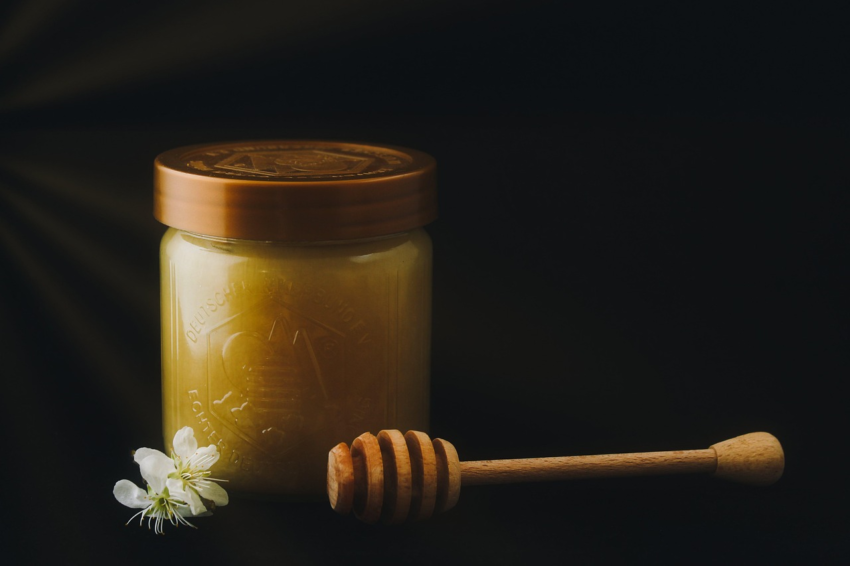
Manuka honey is a monofloral honey produced by bees from the flowers of the manuka tree, native to New Zealand and Australia. Its key distinction from regular honey lies in its source. Manuka honey contains unique antibacterial compounds that are stable and potent, offering benefits for gastrointestinal issues.
Due to its origin in New Zealand and Australia, plus tariffs and transport costs, it is typically more expensive than regular honey. It is a type of European honey bee honey, similar to monofloral honeys found in the Chinese market.
Commentary
While primarily educational, this article offers indirect commercial insights for New Zealand SMEs. Manuka honey occupies a premium position in the global health food market due to its unique antibacterial properties, particularly among Chinese consumers. As a New Zealand specialty, SMEs can leverage this by strengthening origin-based brand storytelling, emphasising quality and scientific backing to capture niche segments.
However, they should note the variety of Chinese domestic European honey bee honeys, intense price competition, and risks of counterfeiting. Thus, businesses should focus on certifications (e.g., UMF™) and traceability systems to build consumer trust. Additionally, the article reminds operators not to over-mythologise the product and to educate for rational market perception.
Longer-term, exploring partnerships with Chinese e-commerce platforms and leveraging health trends to develop derivatives such as oral liquids or skincare products could be viable, but supply chain costs require careful assessment.
Keywords: Manuka honey, New Zealand, antibacterial compound, European honey bee honey, monofloral honey
Summary in Chinese | 摘要
麦卢卡蜂蜜是由蜜蜂从新西兰和澳大利亚特有的麦卢卡树花中采集酿制而成的单花蜜,与普通蜂蜜的主要区别在于蜜源。麦卢卡蜂蜜含有独特的抗菌活性物,抗菌效果稳定强大,对肠胃疾病有改善作用。由于产自新西兰和澳大利亚,加上关税和运输成本,其价格通常高于普通蜂蜜。
麦卢卡蜂蜜属于意蜂蜜的一种,类似于中国市面上的单花蜜。
Commentary in Chinese | 评论
这条新闻虽然主要是科普,但对新西兰中小企业主有间接商业启示。麦卢卡蜂蜜以其独特抗菌活性物在全球健康食品市场占据高端定位,尤其在中国消费者中认知度高。作为新西兰特产,中小企业可借此强化原产地品牌故事,突出品质和科学背书,抢占细分市场。
但需注意,中国本土意蜂蜜品种多样,价格竞争激烈,且存在仿冒风险。因此,企业应注重认证(如UMF™标识)和溯源体系,建立消费者信任。另一方面,新闻提到麦卢卡蜂蜜是意蜂蜜的一种,这提醒经营者不可过度神化,需教育市场理性认知。
长远看,可探索与中国电商平台合作,利用健康消费趋势,开发口服液、护肤品等衍生产品,但需谨慎评估供应链成本。
关键词: 麦卢卡蜂蜜, 新西兰, 抗菌活性物, 意蜂蜜, 单花蜜

Source: Zhihu
Disclaimer: This article is compiled from publicly available sources for general information only. The analysis and commentary are editorial opinions. MiDeer Observer does not guarantee the accuracy or completeness of the information provided. Readers should seek independent professional advice before relying on this content, or contact us for more information.
免责声明:本文基于公开信息编译,仅供一般性参考。文中分析与评论为编辑观点。MiDeer Observer 不对所提供信息的准确性或完整性作出保证。读者在依赖本文内容前,应寻求独立专业意见,或联系我们获取更多信息。