
China Says Beef Safeguards Support Domestic Producers as Australian Volume Nears Trigger Point

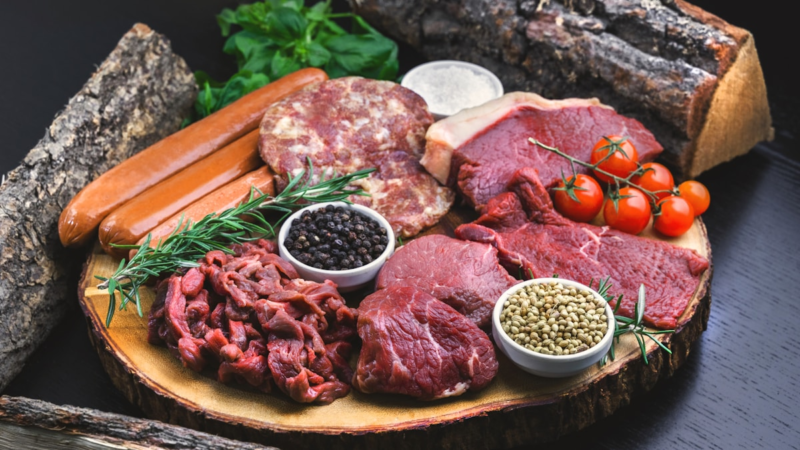
Photo by Hannes Nygaard on Unsplash
Summary
China’s Ministry of Commerce spokesperson He Yongqian has confirmed that beef safeguard measures, implemented from 1 January 2026 to 31 December 2028, are designed to support the domestic industry rather than restrict normal trade. As of 1 June 2026, Australian beef imports had reached 90% of its annual country-specific quota, nearing the threshold that would trigger an additional 55% tariff on excess volumes. MOFCOM and GACC will issue formal notices when the quota thresholds are reached. China’s beef imports surged 73.2% between 2019 and 2024, with import prices significantly below domestic prices.
Summary in Chinese
中国商务部发言人何咏前确认,自2026年1月1日至2028年12月31日实施的牛肉保障措施旨在支持国内产业,而非限制正常贸易。截至2026年6月1日,澳大利亚牛肉进口已达其年度国别配额的90%,接近触发超额部分加征55%附加关税的门槛。商务部和海关总署将在配额触发时发布正式公告。2019至2024年间中国牛肉进口增长73.2%,进口价格显著低于国内价格。
Comment
New Zealand beef exporters should treat the Australian quota situation as a tactical opening rather than a structural shift. When the 55% surcharge activates on Australian over-quota volumes, Chinese buyers will actively seek alternative supply at competitive landed costs, and NZ grass-fed beef is well positioned to fill that gap. However, the safeguard framework applies to all origins, so NZ exporters need to track their own quota utilisation against MOFCOM’s country-specific allocations to avoid being caught by the same trigger. Commercial teams should have volume plans ready for the second half of 2026 that balance higher shipment potential against the risk of hitting their own quota ceiling.
Comment in Chinese
新西兰牛肉出口商应将澳大利亚配额接近触发视为战术性机遇,而非结构性转变。一旦澳大利亚超额部分被加征55%附加关税,中国买家将积极寻找替代供应来源,新西兰草饲牛肉凭借有竞争力的到岸成本有望填补缺口。但保障措施适用于所有来源国,新西兰出口商需跟踪自身配额使用情况,避免触及相同触发门槛。商务团队应为2026年下半年制定灵活的出货计划,在把握增量机会的同时管控自身配额风险。