
China Approves Belgian Fresh Apples, Adding Competition for Premium Fruit Suppliers

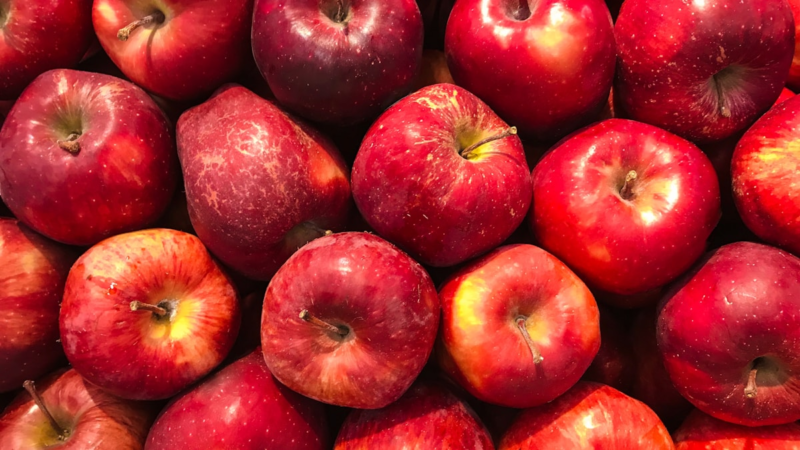
Photo by Casey Lee on Unsplash
Summary
China’s General Administration of Customs (GACC) issued Announcement No. 76/2026 on 2 June, granting market access to fresh Belgian apples under a detailed phytosanitary protocol. The protocol covers 16 quarantine pests of concern, requires registered orchards and packing facilities, mandates cold treatment against Mediterranean fruit fly, and establishes pest-free production place requirements for fire blight. Belgian orchards must implement integrated pest management, maintain comprehensive monitoring records, and undergo random inspections, with non-compliant facilities facing suspension of export eligibility.
Summary in Chinese
中国海关总署于6月2日发布2026年第76号公告,正式允许符合植物检疫要求的比利时鲜苹果进口。该检疫议定书涵盖16种中方关注的检疫性有害生物,要求果园和包装厂完成双边注册备案,强制实施针对地中海实蝇的冷处理措施,并建立梨火疫病非疫生长点制度。比利时果园须实施有害生物综合防治,保留完整监测记录,接受随机检查,不合规设施将被暂停出口资格。
Comment
The addition of Belgian apples intensifies competition in China’s premium temperate fruit segment, where New Zealand apples already compete with suppliers from the US, New Zealand itself, and now the EU. NZ growers should note the stringent phytosanitary bar GACC has set — the 16-pest list, cold treatment requirements and mandatory registration systems effectively raise compliance costs for all suppliers, but they also create a quality floor that rewards well-organised industries. The key takeaway is that China’s fruit import approvals are accelerating across multiple origins, meaning NZ cannot rely on scarcity value alone. Differentiation through branded varieties, consistent supply windows and superior shelf-life performance will matter more than ever.
Comment in Chinese
比利时苹果获准进入中国市场,加剧了中国高端温带水果领域的竞争,新西兰苹果已在此与美国、新西兰本土及欧盟供应商同台竞技。NZ种植者应关注GACC设定的严格检疫门槛——16种有害生物清单、冷处理要求和强制注册制度实际上提高了所有供应商的合规成本,但也为组织良好的产业创造了质量底线。核心启示是,中国水果进口审批正在加速覆盖多个产地,NZ不能仅靠稀缺性优势。通过品牌品种、稳定供应窗口和卓越的货架表现来实现差异化将比以往任何时候都更加重要。