
Summary
Chilean Ambassador to China Mauricio Hurtado said that driven by surging Chinese market demand and global cold chain logistics development, Chile's cherry exports to China in the 2023-24 season are expected to account for 92% of its total cherry exports, up from 88% in the previous season. In recent weeks, Chile's cherry exports to China totalled 365,968 tonnes, compared to 362,607 tonnes in 2022-23. Cherries have become Chile's second-largest export to China after copper, with annual exports exceeding US$2 billion.
Chile plans to introduce new products such as peaches and Coho salmon to China, and resume exports of poultry and chicken products. Chile's Agricultural and Livestock Service (SAG) is cooperating with Shanghai Customs to expedite clearance of fresh fruit, implementing a joint programme for cold treatment containers to control fruit flies. China's General Administration of Customs approved a fresh cherry pilot in November 2023, with the first container arriving in Shanghai on 21 January 2024.
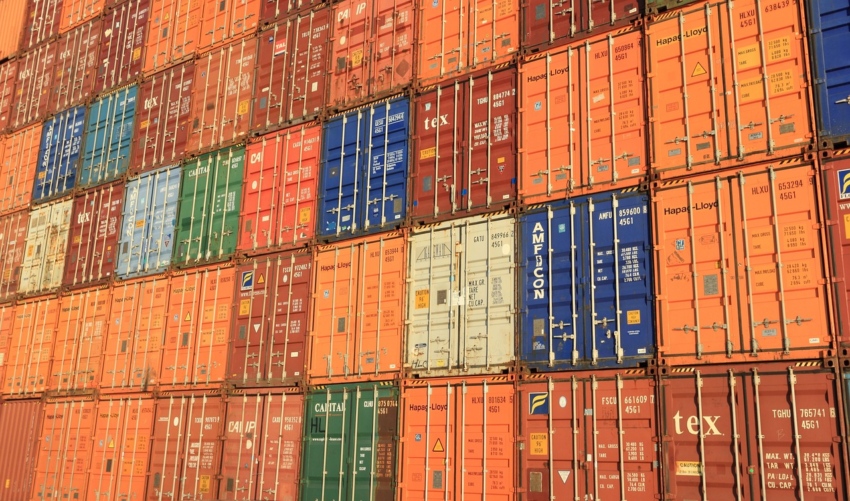
Currently, container ships take 28 days from Chile to Shanghai. Driven by the China-Chile Free Trade Agreement and the Belt and Road Initiative, bilateral commercial relations will continue to develop, expanding technical cooperation and trade in services. Ding Lixin, a researcher at the Chinese Academy of Agricultural Sciences, noted that China's demand for beef, lamb, pork, fruit, wine and dairy products offers opportunities for agricultural exporting countries.
In 2023, China expanded market access for agricultural imports from 51 countries and regions, with customs signing 156 cooperation documents with foreign partners, 84 of which related to Belt and Road partners.
Commentary
The strong growth of Chilean cherry exports to China provides an important reference for New Zealand SMEs. First, Chile has significantly improved export efficiency to China through cold chain logistics and customs facilitation (e.g., the joint programme for cold treatment containers), suggesting that New Zealand exporters should pay attention to pilot projects by China Customs, such as the cooperation model with Shanghai Customs, which may be applicable to New Zealand fruit, meat and other products. Second, Chile leverages free trade agreements and the Belt and Road Initiative to expand markets.
New Zealand also has an upgraded FTA with China, and businesses should actively utilise tariff preferences and trade facilitation measures to reduce export costs. Third, Chile's plan to introduce new varieties (e.g., peaches, salmon) to China indicates strong demand among Chinese consumers for diverse, high-quality food. New Zealand SMEs could consider developing differentiated products, such as specialty fruits, seafood or organic foods, to avoid direct competition with Chilean cherries.
However, Chile's high dependence on a single market (92% of cherry exports) also poses risks; New Zealand businesses should avoid over-concentration in the Chinese market and maintain a diversified portfolio. Additionally, China's growing demand for beef, lamb and dairy products presents opportunities for New Zealand's advantageous industries, but competition from Chile, Argentina and others must be noted. Finally, the prevalence of e-commerce enables foreign companies to reach all regions of China; New Zealand SMEs should strengthen online channels and use cross-border e-commerce platforms to directly connect with consumers.
Overall, Chile's experience shows that policy coordination, logistics innovation and product diversification are key to success. New Zealand businesses can learn from these strategies but should tailor them to their own product characteristics.
Keywords: Chile, cherry, China, export, cold chain logistics, free trade agreement, Belt and Road, market access, e-commerce, agricultural products
Summary in Chinese | 摘要
智利驻华大使毛里西奥·胡尔塔多表示,受中国市场需求飙升和全球冷链物流发展推动,2023-24年度智利对中国的樱桃出口预计占其樱桃出口总额的92%,高于上一季的88%。最近几周,智利对华樱桃出口总计365,968吨,2022-23年度为362,607吨。樱桃已成为智利对华出口第二大产品,仅次于铜矿,年出口额超20亿美元。
智利计划在中国推出桃子、Coho三文鱼等新产品,并恢复家禽和鸡肉产品出口。智利农畜服务局与上海海关合作,加快新鲜水果通关,针对冷处理集装箱实施联合计划,以控制果蝇。中国海关总署2023年11月批准新鲜樱桃试点,首批集装箱于2024年1月21日运抵上海。
目前集装箱船从智利到上海需28天。在《中智自由贸易协定》和“一带一路”倡议推动下,两国商业关系将继续发展,拓展技术合作和服务贸易。中国农业科学院研究员丁立新指出,中国对牛肉、羊肉、猪肉、水果、葡萄酒和乳制品的需求为农产品出口国提供机会。
2023年中国扩大了从51个国家和地区进口农产品的市场准入,海关与外国伙伴签署156份合作文件,其中84份与“一带一路”伙伴相关。
Commentary in Chinese | 评论
智利樱桃对华出口的强劲增长,为新西兰中小企业提供了重要参照。首先,智利通过冷链物流和通关便利化(如冷处理集装箱联合计划)大幅提升对华出口效率,这提示新西兰出口商应关注中国海关的试点项目,例如与上海海关的合作模式,可能适用于新西兰水果、肉类等产品。其次,智利利用自由贸易协定和“一带一路”倡议拓展市场,新西兰同样拥有中新自贸协定升级版,企业应积极利用关税优惠和贸易便利化措施,降低出口成本。
第三,智利计划向中国推出新品种(如桃子、三文鱼),说明中国消费者对多样化高品质食品的需求旺盛。新西兰中小企业可考虑开发差异化产品,如特色水果、海鲜或有机食品,避开与智利樱桃的直接竞争。然而,智利樱桃占其出口92%的高度依赖单一市场也带来风险,新西兰企业应避免过度集中中国市场,需平衡多元化布局。
此外,中国对牛肉、羊肉、乳制品的需求增长,为新西兰优势产业提供机遇,但需注意智利、阿根廷等国的竞争。最后,电子商务的普及使外国企业能触达中国所有地区,新西兰中小企业应加强线上渠道建设,利用跨境电商平台直接对接消费者。总体而言,智利经验表明,政策协同、物流创新和品种多样化是成功关键,新西兰企业可借鉴这些策略,但需结合自身产品特点制定差异化方案。
关键词: 智利, 樱桃, 中国, 出口, 冷链物流, 自由贸易协定, 一带一路, 市场准入, 电子商务, 农产品

Source: NetEase
Disclaimer: This article is compiled from publicly available sources for general information only. The analysis and commentary are editorial opinions. MiDeer Observer does not guarantee the accuracy or completeness of the information provided. Readers should seek independent professional advice before relying on this content, or contact us for more information.
免责声明:本文基于公开信息编译,仅供一般性参考。文中分析与评论为编辑观点。MiDeer Observer 不对所提供信息的准确性或完整性作出保证。读者在依赖本文内容前,应寻求独立专业意见,或联系我们获取更多信息。