
Summary
This article details the customs clearance process for importing French red wine, including required documents, tax calculation, Chinese label requirements, and common non-compliances. The import process includes: checking overseas producer registration, preparing customs documents, international shipping, consignee and consignor registration, customs declaration upon arrival, duty payment and release (possible inspection), inspection and quarantine sampling, and issuance of the inspection certificate. Overseas documents required include certificate of origin (FTA certificate for zero tariff from New Zealand and other countries with direct shipment), health certificate or free sale certificate, bottling date certificate, label photos and translations, IPPC mark for wooden pallets, composition analysis (including sugar content), invoice, packing list, contract, and overseas producer registration number.
Tax rates: customs duty 14%, VAT 13%, consumption tax 10%, total tax burden approximately 43.14%. Example: for a duty-paid value of NZD 100, total import tax is NZD 43.14. Chinese labels must include food name, ingredient list, net content, importer information, production date, storage conditions, country of origin, alcohol content, warning statements, etc. From 2022, the registration number in China must be indicated.
Common non-compliances include insufficient character height, incorrect net content units, and non-standard alcohol content units.
Commentary
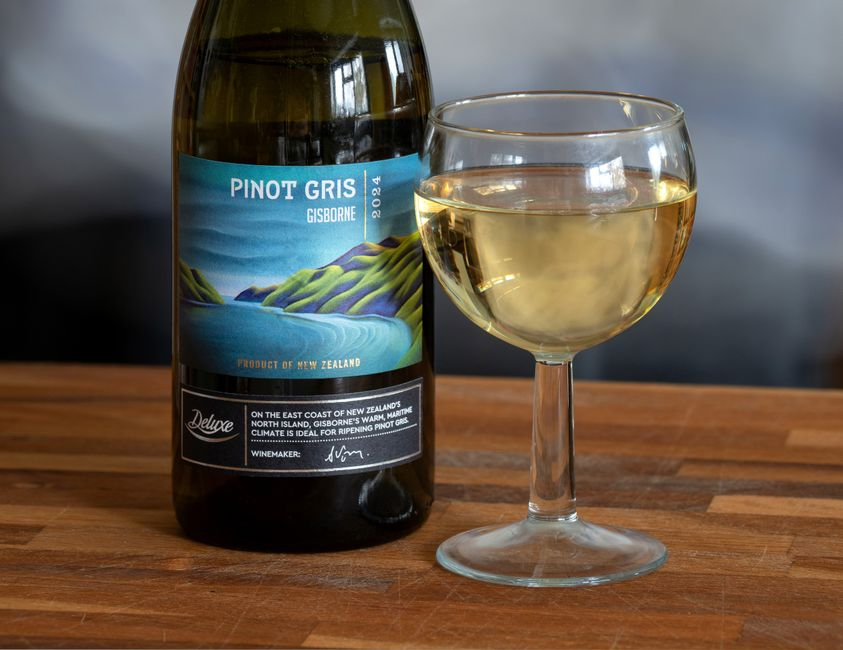
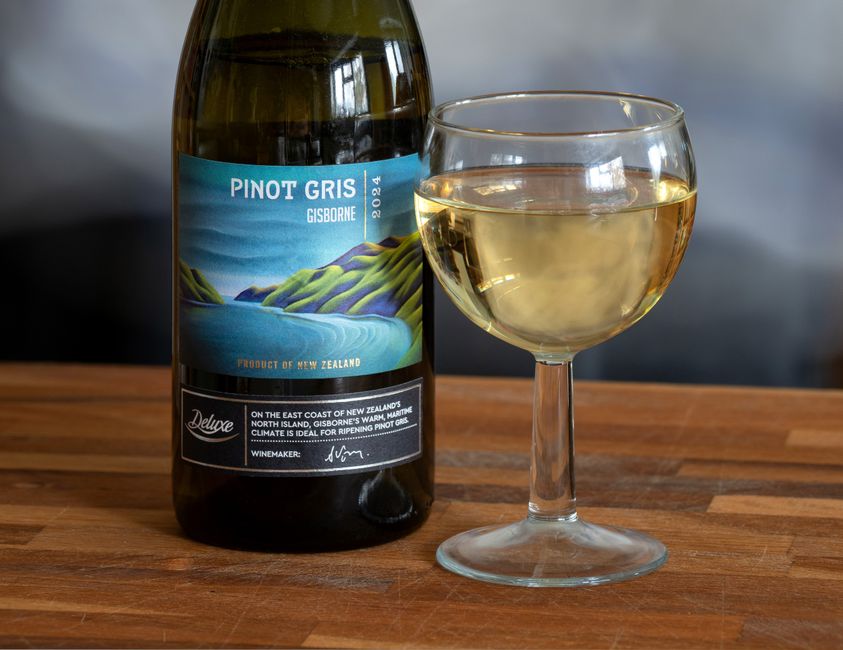
For New Zealand SME owners, especially those exporting wine or other food and beverages, this article provides key operational details for entering the Chinese market. Although the article uses French red wine as an example, the processes, document requirements, and tax calculations are broadly applicable. New Zealand wine exports to China can enjoy zero tariff (with FTA certificate of origin and direct shipment), which is a significant advantage over France's 14% tariff.
However, other aspects such as label compliance, composition analysis, and registration requirements are identical. It is recommended that exporters collaborate with local importers or customs brokers early to ensure Chinese labels comply with GB 7718 standards, particularly character height and net content units, to avoid clearance delays due to minor issues. Additionally, from 2022, food products exported to China must indicate the registration number in China; ensure producers are registered.
From a competitive perspective, New Zealand wine has a cost advantage over France in tariffs, but ongoing investment in branding and quality differentiation is necessary. At the same time, monitor Chinese consumers' growing wine knowledge; premiumisation and storytelling marketing may offer pricing power. Overall, the Chinese wine market holds significant potential, but compliance barriers are high.
SME owners should budget for compliance costs and seek professional customs brokerage services.
Keywords: imported red wine, customs clearance process, tariff, VAT, consumption tax, Chinese label, New Zealand, FTA certificate of origin, registration and filing, customs clearance
Summary in Chinese | 摘要
本文详细介绍了进口法国红酒的通关流程、所需单证、税率计算、中文标签要求及常见不符合项。进口流程包括:检查境外生产商注册、准备清关文件、国外发运、收发货人备案、到港后报关、海关缴税放行(可能查验)、检验检疫抽检、出具入境货物检验检疫证明。国外需提供原产地证(新西兰等国家享受0关税需FTA产地证且直达)、健康证或自由销售证、灌装日期证明、标签照片及翻译件、木托盘IPPC标识、成分分析(含糖度)、发票、箱单、合同、境外生产企业注册备案号。
税率方面,关税14%、增值税13%、消费税10%,综合税负约43.14%。举例说明:完税价格100元的红酒,进口环节税负共43.14元。中文标签须标示食品名称、配料表、净含量、进口商信息、生产日期、贮存条件、原产国、酒精度、警示语等,2022年起需标注在华注册编号。
常见不符合项包括字符高度不足、净含量单位错误、酒精度单位不规范等。
Commentary in Chinese | 评论
对于新西兰中小企业主,尤其是从事葡萄酒或其他食品饮料出口的商家,这篇文章提供了进口中国市场的关键操作细节。虽然文章以法国红酒为例,但其中涉及的流程、单证要求和税率计算具有普遍参考价值。新西兰葡萄酒出口中国可享受零关税(需FTA产地证且直达),这比法国14%的关税优势明显,但其他环节如标签规范、成分分析、注册备案等要求完全一致。
建议出口商提前与国内进口商或报关行合作,确保中文标签符合GB 7718标准,特别是字符高度和净含量单位,避免因细节问题导致清关延误。此外,2022年起输华食品需标注在华注册编号,需确认生产商已完成注册。从竞争角度看,新西兰葡萄酒在关税成本上优于法国,但需在品牌推广和品质差异化上持续投入。
同时,关注中国消费者对葡萄酒认知的提升,高端化、故事化营销可能带来溢价空间。整体而言,中国葡萄酒市场潜力巨大,但合规门槛较高,建议中小企业主将合规成本纳入预算,并寻求专业报关代理服务。
关键词: 进口红酒, 通关流程, 关税, 增值税, 消费税, 中文标签, 新西兰, FTA产地证, 注册备案, 清关
Source: Sohu
Disclaimer: This article is compiled from publicly available sources for general information only. The analysis and commentary are editorial opinions. MiDeer Observer does not guarantee the accuracy or completeness of the information provided. Readers should seek independent professional advice before relying on this content, or contact us for more information.
免责声明:本文基于公开信息编译,仅供一般性参考。文中分析与评论为编辑观点。MiDeer Observer 不对所提供信息的准确性或完整性作出保证。读者在依赖本文内容前,应寻求独立专业意见,或联系我们获取更多信息。