
Summary
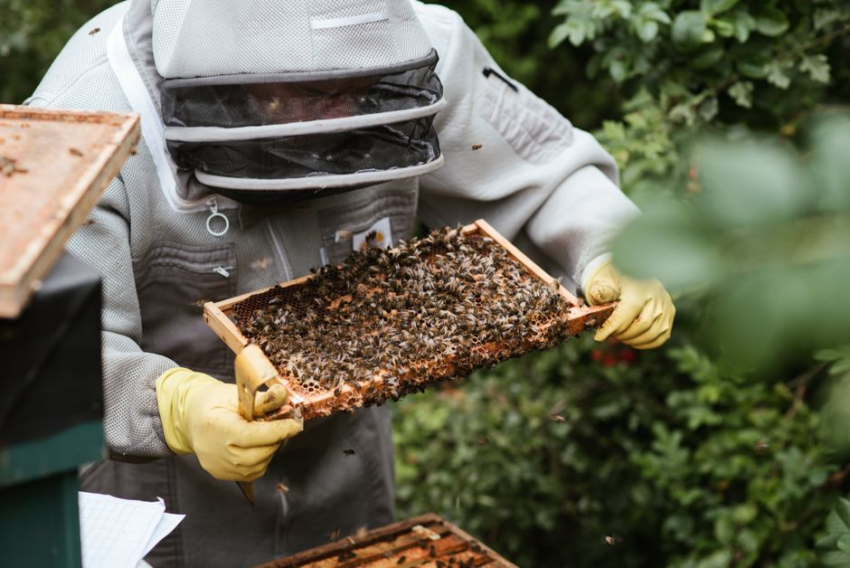
Manuka honey is a type of honey originating from New Zealand and Australia, produced by bees collecting nectar from the manuka tea tree. The manuka tree is native to New Zealand, and its stems and leaves have been traditionally used by Māori as herbal medicine. Manuka honey contains a unique active antibacterial substance called 'Unique Manuka Factor' (UMF), which has strong antibacterial and antioxidant properties, promoting wound healing and gastrointestinal health.
However, in January 2014, China's General Administration of Quality Supervision, Inspection and Quarantine (AQSIQ) published a list of不合格 imported food and cosmetics, including seven batches totalling 1,614 kg of manuka honey from France and New Zealand found to be adulterated, leading to destruction or return.Previously, in December 2013, 327 kg of New Zealand manuka honey was returned due to adulteration, and in November 2013, 105 kg of Australian 'manuka honey' was returned due to inconsistency with documentation.These adulteration incidents involve several specialised New Zealand food importers, highlighting quality issues in the manuka honey market.
Commentary
Manuka honey is renowned for its unique antibacterial active substance UMF, but recent detections of adulterated products by Chinese customs have sounded an alarm for New Zealand honey exporters. For New Zealand small and medium business owners, especially in the honey and speciality food sectors, this means that the Chinese market is increasingly demanding product authenticity and quality. On one hand, adulteration incidents may damage the overall reputation of New Zealand manuka honey, leading to decreased consumer trust and consequently affecting sales.
On the other hand, this creates opportunities for honest businesses: through strict quality control and third-party certification, they can build brand differentiation and win the high-end market. Additionally, the trade agreement between New Zealand and China provides tariff concessions for honey exports, but companies must ensure products meet Chinese import standards to avoid returns due to documentation discrepancies. It is recommended that businesses monitor Chinese customs regulatory updates, strengthen communication with importers, and consider applying for geographical indication protection to enhance product credibility.
In the long term, the manuka honey market still has growth potential, but industry self-discipline and a more robust traceability system are needed to maintain reputation.
Keywords: Manuka honey, New Zealand, Australia, Unique Manuka Factor, antibacterial, adulteration, return, AQSIQ, import, honey
Summary in Chinese | 摘要
麦卢卡蜂蜜是一种源自新西兰和澳大利亚的蜂蜜,由蜜蜂采集麦卢卡(manuka)红茶树花蜜酿制而成。麦卢卡树是新西兰特有植物,毛利人传统上将其茎叶用作草药。麦卢卡蜂蜜含有独特的活性抗菌物质“独麦素”,具有强抗菌、抗氧化作用,能促进伤口愈合和调养胃肠道。
然而,中国国家质检总局在2014年1月公布的进口食品化妆品不合格名单中,有7批次共1614千克来自法国和新西兰的麦卢卡蜂蜜被检出掺假,遭销毁或退货。此前,2013年12月有327千克新西兰麦卢卡蜂蜜因掺假被退货,2013年11月有105千克澳大利亚“麦卢卡蜂蜜”因货证不符被退货。这些掺假事件涉及多家专门的新西兰食品进口商,凸显了麦卢卡蜂蜜市场的质量问题。
Commentary in Chinese | 评论
麦卢卡蜂蜜以其独特的抗菌活性物质独麦素而闻名,但近期中国海关多次检出掺假产品,这对新西兰蜂蜜出口商敲响了警钟。对于新西兰中小企业主,尤其是蜂蜜和特色食品行业,这意味着中国市场对产品真实性和质量的要求日益严格。一方面,掺假事件可能损害新西兰麦卢卡蜂蜜的整体声誉,导致消费者信任度下降,进而影响销售。
另一方面,这也为诚信经营的企业创造了机会:通过严格的品质控制和第三方认证,可以建立品牌差异化优势,赢得高端市场。此外,新西兰与中国之间的贸易协定为蜂蜜出口提供了关税优惠,但企业必须确保产品符合中国进口标准,避免因货证不符等问题被退货。建议企业关注中国海关的监管动态,加强与进口商的沟通,并考虑申请地理标志保护,以提升产品可信度。
长期来看,麦卢卡蜂蜜市场仍有增长潜力,但需要行业自律和更严格的溯源体系来维护声誉。
关键词: 麦卢卡蜂蜜, 新西兰, 澳大利亚, 独麦素, 抗菌, 掺假, 退货, 国家质检总局, 进口, 蜂蜜
Source: Sogou Encyclopedia
Disclaimer: This article is compiled from publicly available sources for general information only. The analysis and commentary are editorial opinions. MiDeer Observer does not guarantee the accuracy or completeness of the information provided. Readers should seek independent professional advice before relying on this content, or contact us for more information.
免责声明:本文基于公开信息编译,仅供一般性参考。文中分析与评论为编辑观点。MiDeer Observer 不对所提供信息的准确性或完整性作出保证。读者在依赖本文内容前,应寻求独立专业意见,或联系我们获取更多信息。