
Summary
On 6 January 2025, Sohu reported on the current state and prospects of economic and trade cooperation between New Zealand and China. Chinese enterprises are investing in New Zealand across sectors including home appliances, agriculture, and renewable energy. In 2012, Haier acquired Fisher & Paykel, which now holds a 42% market share and has launched the 'social kitchen' concept.
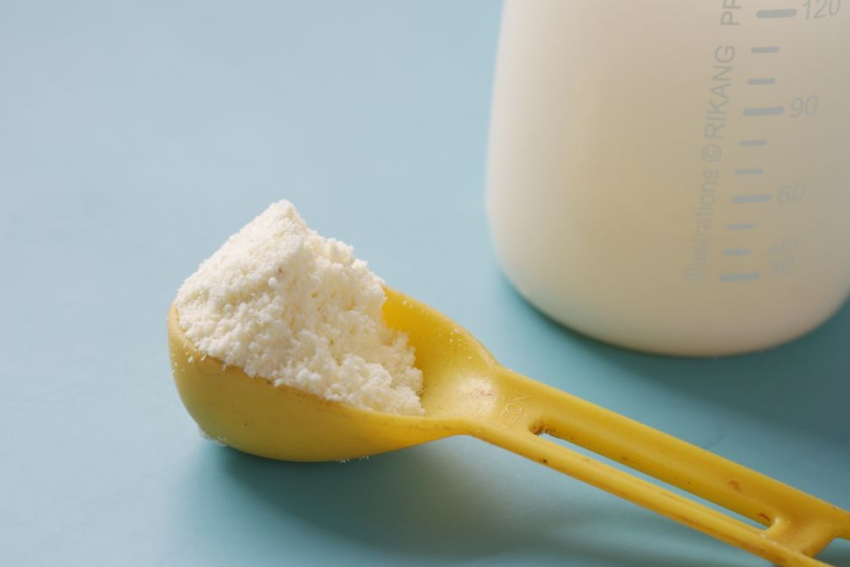
Since 2016, China Animal Husbandry Group has invested in Bodorco Dairy, with production capacity expected to reach 1 million cans of infant formula in 2024 and 5 million cans by 2029. China National Building Materials International installed a photovoltaic storage system for the Otira Marae, enhancing community power security. These collaborations have boosted New Zealand's economy while providing market opportunities for Chinese enterprises.
Commentary
For New Zealand small and medium-sized enterprise (SME) owners, this article conveys several key signals. First, Haier's 42% share of the New Zealand home appliance market demonstrates that Chinese enterprises can deeply integrate into the local market through localisation strategies, offering SMEs opportunities for collaboration or differentiation—for example, partnering with Chinese brands in supply chains or channels, or launching niche products for underserved segments. Second, Bodorco Dairy's capacity leap from 1 million to 5 million cans indicates rapid growth in infant formula demand, but also intensifying competition.
SMEs entering the dairy sector should focus on quality differentiation and brand storytelling rather than sheer scale.
Keywords: New Zealand, China, economic and trade cooperation, Haier, Fisher & Paykel, Bodorco Dairy, infant formula, renewable energy, investment
Summary in Chinese | 摘要
2025年1月6日,搜狐报道了新西兰与中国的经贸合作现状与前景。中国企业在新西兰投资涵盖家电、农业和可再生能源等领域。2012年海尔收购斐雪派克,目前市场份额达42%,并推出“社交厨房”理念。
中牧集团自2016年投资宝多科乳业,预计2024年产能达100万罐婴幼儿奶粉,2029年增至500万罐。中国建材国际为奥蒂拉毛利会堂安装光伏储能系统,提升社区电力保障。这些合作促进了新西兰经济,也为中资企业提供了市场机会。
Commentary in Chinese | 评论
对于新西兰中小企业主,这篇新闻传递了几个关键信号。首先,海尔在新西兰家电市场占据42%份额,说明中资企业通过本土化策略能深度融入当地市场,这为中小企业提供了合作或差异化竞争的机会——例如,可考虑与中资品牌在供应链或渠道上合作,或针对其未覆盖的细分市场推出特色产品。其次,宝多科乳业产能从100万罐跃升至500万罐,表明婴幼儿配方奶粉领域存在快速增长需求,但这也意味着竞争加剧。
中小企业若涉足乳制品,需关注品质差异化和品牌故事,而非单纯追求规模。
关键词: 新西兰, 中国, 经贸合作, 海尔, 斐雪派克, 宝多科乳业, 婴幼儿奶粉, 可再生能源, 投资

Source: Sohu
Disclaimer: This article is compiled from publicly available sources for general information only. The analysis and commentary are editorial opinions. MiDeer Observer does not guarantee the accuracy or completeness of the information provided. Readers should seek independent professional advice before relying on this content, or contact us for more information.
免责声明:本文基于公开信息编译,仅供一般性参考。文中分析与评论为编辑观点。MiDeer Observer 不对所提供信息的准确性或完整性作出保证。读者在依赖本文内容前,应寻求独立专业意见,或联系我们获取更多信息。