
Summary
Marlborough, the flagship wine region of New Zealand, first planted grapes in 1873, experienced a period of stagnation, and was revived in 1973. Today, its vineyard area accounts for nearly two-thirds of the national total, making it the dominant industry. The region is renowned for Sauvignon Blanc, but other varieties also perform exceptionally well, thanks to its cool climate, long sunshine hours, low rainfall, and well-drained, moderately fertile soils.
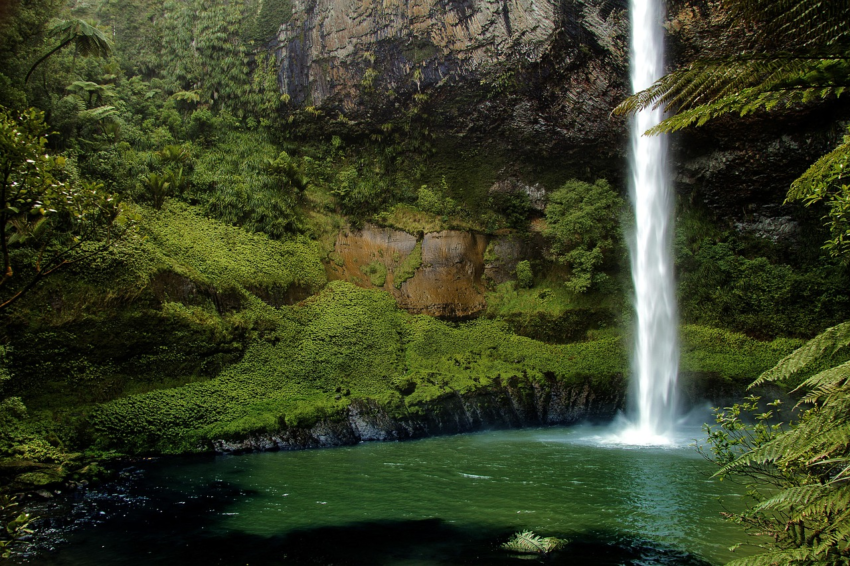
The Wairau River divides the valley into north and south, flanked by the Richmond Range to the north and the Wither Hills to the south, with diverse sub-regions and microclimates continually being discovered. Marlborough is not only a world-famous wine region but also attracts tourists with its fresh seafood and stunning landscapes, promising a bright future.
Commentary
For New Zealand small and medium-sized enterprises (SMEs), especially those in the wine industry, the success story of Marlborough offers important insights. First, the region started in 1873 and, after many setbacks, became a global benchmark, highlighting the importance of long-term brand building and quality persistence. Currently, Marlborough wines have established a high-end image in the Chinese market, but competition is intensifying.
SMEs can focus on niche segments, such as organic or biodynamic wines, to differentiate themselves. Second, the region emphasises terroir diversity; SMEs can learn from its sub-region strategy to explore their own unique selling points, such as specific vineyard blocks or old-vine products. Additionally, Marlborough has developed food and wine tourism, providing cross-industry collaboration opportunities for SMEs, such as joint promotions with local seafood suppliers or developing winery experience programmes to attract Chinese tourists.
However, it is important to note that China's wine consumption growth is slowing, and fluctuations in import tariffs may affect profits. Enterprises should diversify markets to avoid over-reliance on a single export destination. Overall, the Marlborough model demonstrates that focusing on quality and storytelling can build long-term competitiveness, but flexibility in responding to market changes is essential.
Keywords: Marlborough, New Zealand wine, Sauvignon Blanc, grape growing, terroir, sub-regions, wine region, food and wine tourism, SMEs
Summary in Chinese | 摘要
新西兰葡萄酒旗舰产区马尔堡,自1873年首次种植葡萄,经历停滞期后于1973年复兴,如今葡萄种植面积占全国近三分之二,成为绝对主导产业。该产区以长相思闻名,但其他品种表现同样出色,得益于凉爽气候、长日照、低降雨、排水良好且肥沃适中的土壤。Wairau河将山谷分为东西两侧,北靠Richmond岭,南临Wither山,多样化的子产区和微气候不断被发掘。
马尔堡不仅是世界知名葡萄酒产区,还以鲜美海鲜和迷人地貌吸引游客,未来前景光明。
Commentary in Chinese | 评论
对于新西兰中小企业主,尤其是葡萄酒行业从业者,马尔堡产区的成功故事提供了重要启示。首先,该产区从1873年起步,历经波折后成为全球标杆,说明长期品牌建设和品质坚持的重要性。当前,马尔堡葡萄酒已在中国市场建立高端形象,但竞争加剧,中小企业可关注细分市场,如有机或生物动力葡萄酒,以差异化突围。
其次,产区强调风土多样性,中小企业可借鉴其子产区策略,挖掘自身独特卖点,如特定地块或老藤产品。此外,马尔堡同时发展美食旅游,为中小企业提供跨界合作机会,例如与当地海鲜供应商联合推广,或开发酒庄体验项目,吸引中国游客。然而,需注意中国葡萄酒消费增速放缓,且进口关税波动可能影响利润,企业应多元化市场,避免过度依赖单一出口目的地。
总体而言,马尔堡模式证明,专注品质与故事性可建立长期竞争力,但需灵活应对市场变化。
关键词: 马尔堡, 新西兰葡萄酒, 长相思, 葡萄种植, 风土, 子产区, 葡萄酒产区, 美食旅游, 中小企业

Source: What's Worth Buying
Disclaimer: This article is compiled from publicly available sources for general information only. The analysis and commentary are editorial opinions. MiDeer Observer does not guarantee the accuracy or completeness of the information provided. Readers should seek independent professional advice before relying on this content, or contact us for more information.
免责声明:本文基于公开信息编译,仅供一般性参考。文中分析与评论为编辑观点。MiDeer Observer 不对所提供信息的准确性或完整性作出保证。读者在依赖本文内容前,应寻求独立专业意见,或联系我们获取更多信息。