Summary
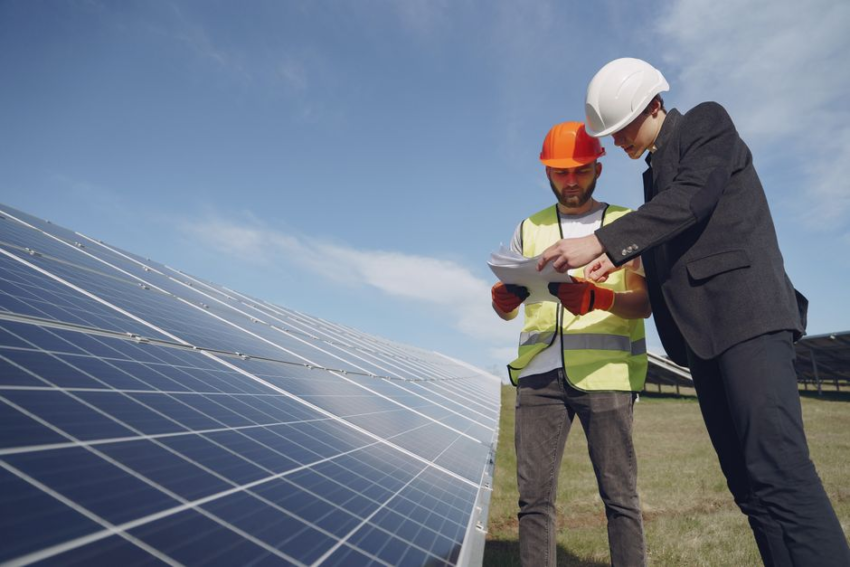
The Te Herengao Te Rā solar farm in the Ōpōtiki district, supplied by Trina Solar and built by Lodestone Energy, has been successfully connected to the grid. This is the third agrivoltaic project from the partnership. With a total capacity of 42 MWp and an annual generation of 69 GWh, it can power about 10,000 homes, making it one of New Zealand’s largest agrivoltaic projects and the first solar project directly connected to the national grid.
The project uses Trina Solar’s Vertex N modules, with sheep grazing beneath the panels, providing shade to improve survival rates while reducing mechanical trimming and herbicide use, lowering carbon emissions. Lessee Connor Dent highly praised the agrivoltaic model. Lodestone Energy and Trina Solar have completed three projects—Kohirā, Rangitaiki, and Te Herengao Te Rā—with total module capacity nearing 100 MW.
Lodestone Energy Managing Director Gary Holden commended Trina Solar’s product efficiency, supply chain, and on-site support. Zhou Zhichao, Head of Trina Solar Australia and New Zealand, noted that agrivoltaics are gaining global attention. These projects are advancing New Zealand’s renewable energy transition and serving as international agrivoltaic benchmarks.
Commentary
This news offers important business insights for New Zealand SME owners, particularly those in agriculture and energy. The agrivoltaic model not only creates additional income for farmers (through electricity sales) but also reduces operating costs (less mechanical trimming and herbicide use) and improves animal welfare (shade for sheep), which can enhance product value—for example, by marketing ‘clean-energy grazed’ labels to attract sustainability-conscious consumers. For exporters of lamb, wool, or dairy, this model could become a brand differentiator, especially in markets like the EU and North America that value carbon footprints.
However, initial investment is high, requiring long-term partnerships with solar suppliers, and land-use changes may involve compliance issues. Additionally, the degree of grid connection policy support for distributed energy will affect project returns. From a broader perspective, agrivoltaics could change the valuation logic of agricultural land—land not only produces crops but also energy, offering a new path for farm asset appreciation.
But note that solar panels may affect certain crop growth, so the model suits grazing or shade-tolerant crops. As technology costs fall and policy incentives grow, this model may expand rapidly in New Zealand. SME owners could explore partnership opportunities with suppliers like Trina Solar or assess the feasibility of converting their own farms into agrivoltaic projects.
Keywords: solar sheep, agrivoltaics, Trina Solar, New Zealand, renewable energy, grid connection, Lodestone Energy, Te Herengao Te Rā, sheep grazing, clean energy
Summary in Chinese | 摘要
天合光能供货、Lodestone Energy建设的新西兰光伏园Te Herengao Te Rā在奥波蒂基区成功并网发电,这是双方合作的第三个农光互补项目。项目装机总量42MWp,年均发电量69GWh,可满足约1万户家庭用电,是新西兰最大的农光互补项目之一,也是首个直接接入国家电网的光伏项目。项目采用天合光能至尊N型组件,光伏板下方放牧羊群,为羊提供遮蔽,提升存活率,同时减少机械修剪和除草剂使用,降低碳排放。
承租人Connor Dent对农光互补模式给予高度评价。Lodestone Energy与天合光能已合作完成Kohirā、Rangitaiki和Te Herengao Te Rā三个项目,组件总装机量接近100MW。Lodestone Energy总经理Gary Holden称赞天合光能的产品效率、供应链和现场支持。
天合光能澳大利亚和新西兰负责人周之超表示,光伏农业日益受全球关注。这些项目推动了新西兰可再生能源进程,成为国际农光互补样本。
Commentary in Chinese | 评论
这条新闻对新西兰中小企业主,尤其是农业和能源相关领域的经营者,提供了重要的商业启示。农光互补模式不仅为农场主创造了额外收入来源(通过售电),还降低了运营成本(减少机械修剪和除草剂使用),同时提升了动物福利(为羊群提供遮蔽),这有助于提升产品附加值,例如可打上“清洁能源放牧”标签,吸引注重可持续性的消费者。对于从事羊肉、羊毛或乳制品出口的企业,这种模式可能成为品牌差异化优势,尤其在欧盟、北美等重视碳足迹的市场。
然而,项目初期投资较高,需要与光伏供应商建立长期合作,且土地用途变更可能涉及合规问题。此外,新西兰电网接入政策对分布式能源的支持程度将影响项目回报率。从更广视角看,农光互补可能改变农业用地估值逻辑——土地不仅产出农产品,还能产出能源,这为农场资产增值提供了新路径。
但需注意,光伏板可能影响某些作物生长,因此适合放牧或耐阴作物。未来,随着技术成本下降和政策激励,该模式可能在新西兰快速推广,中小企业主可关注与天合光能等供应商的合作窗口,或探索将自有农场改造为农光互补项目的可行性。
关键词: 光伏羊, 农光互补, 天合光能, 新西兰, 可再生能源, 并网发电, Lodestone Energy, Te Herengao Te Rā, 羊群放牧, 清洁能源
Source: Sohu
Disclaimer: This article is compiled from publicly available sources for general information only. The analysis and commentary are editorial opinions. MiDeer Observer does not guarantee the accuracy or completeness of the information provided. Readers should seek independent professional advice before relying on this content, or contact us for more information.
免责声明:本文基于公开信息编译,仅供一般性参考。文中分析与评论为编辑观点。MiDeer Observer 不对所提供信息的准确性或完整性作出保证。读者在依赖本文内容前,应寻求独立专业意见,或联系我们获取更多信息。