
Summary
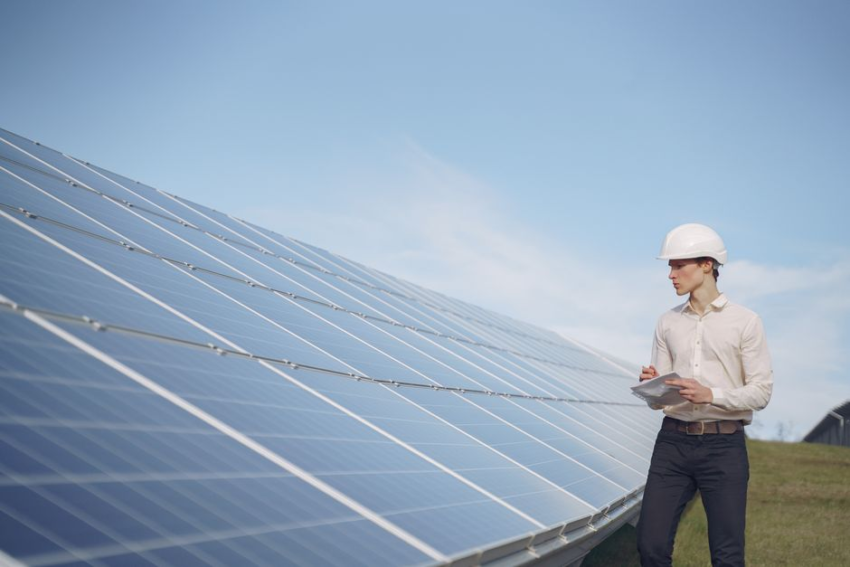
The Te Herengao Te Rā solar farm in the Ōpōtiki district, supplied by Trina Solar and built by Lodestone Energy, has been successfully connected to the grid. It is the third agrivoltaic project from their partnership. With a capacity of 42 MWp and annual generation of 69 GWh, it can power about 10,000 homes, making it one of New Zealand's largest agrivoltaic projects and the first solar farm directly connected to the national grid.
The project uses Trina Solar's Vertex N modules, with agricultural activities beneath the panels, providing shade for sheep, improving survival rates, reducing mechanical trimming and herbicide use, and lowering carbon emissions. Tenant Connor Dent highly praised this model. Lodestone Energy and Trina Solar have completed three projects—Kohirā, Rangitaiki, and Te Herengao Te Rā—totalling nearly 100 MW.
Lodestone CEO Gary Holden commended Trina Solar's product efficiency and supply chain support. These projects advance New Zealand's renewable energy progress and serve as an international agrivoltaic model.
Commentary
This news offers multiple insights for New Zealand small and medium business owners, especially in agriculture and energy. First, the agrivoltaic model provides farmers with a new income stream: grazing or planting under solar panels yields land rent or power-sharing, while improving livestock welfare and land management. For export industries like lamb and wool, this sustainable farming could enhance green value-add, meeting international demand for low-carbon products.
Second, the involvement of Chinese firm Trina Solar highlights deepening NZ-China clean energy cooperation. SMEs can explore opportunities in solar equipment supply, installation, maintenance, and agrivoltaic technical services. However, large solar projects may push up local land costs, so small farms should assess suitability.
Additionally, direct grid connection means more distributed energy participants; SMEs could explore power purchase agreements or self-use solar to cut costs. Overall, agrivoltaics is not just an energy transition practice but a new path for agricultural diversification, worth attention from local farmers and energy service providers.
Keywords: Trina Solar, New Zealand, agrivoltaics, solar, sheep, renewable energy, grid connection, Lodestone Energy, Te Herengao Te Rā, clean energy
Summary in Chinese | 摘要
天合光能供货、Lodestone Energy建设的新西兰光伏园Te Herengao Te Rā在奥波蒂基区成功并网发电,这是双方合作的第三个农光互补项目。项目装机总量42MWp,年均发电量69GWh,可满足约1万户家庭用电,是新西兰最大的农光互补项目之一,也是首个直接接入国家电网的光伏项目。项目采用天合光能至尊N型组件,光伏板下方进行农业种植,为羊群提供遮蔽,提升存活率,同时减少机械修剪和除草剂使用,降低碳排放。
承租人Connor Dent高度评价这种模式。Lodestone Energy与天合光能已合作完成Kohirā、Rangitaiki和Te Herengao Te Rā三个项目,总装机量接近100MW。Lodestone总经理Gary Holden称赞天合光能的产品效率和供应链支持。
这些项目推动了新西兰可再生能源进程,成为国际农光互补样本。
Commentary in Chinese | 评论
这条新闻对新西兰中小企业主,尤其是农业和能源相关行业,具有多重启示。首先,农光互补模式为农场主提供了新的收入来源:在光伏板下放牧或种植,既能获得土地租金或电力分成,又能改善牲畜福利和土地管理。对于羊肉、羊毛等出口行业,这种可持续养殖方式可能提升产品绿色附加值,迎合国际市场对低碳产品的需求。
其次,项目由中资企业天合光能参与,表明中新在清洁能源领域的合作深化。中小企业可关注光伏设备供应、安装维护、农业与光伏结合的技术服务等商机。但需注意,大型光伏项目可能推高当地土地成本,小型农场需评估自身土地是否适合此类开发。
此外,项目直接接入国家电网,意味着电力市场可能迎来更多分布式能源参与者,中小企业可探索购电协议或自用光伏降低运营成本。总体而言,农光互补不仅是能源转型的实践,也为农业多元化经营提供了新路径,值得本地农场主和能源服务商关注。
关键词: 天合光能, 新西兰, 农光互补, 光伏, 羊群, 可再生能源, 并网发电, Lodestone Energy, Te Herengao Te Rā, 清洁能源
Source: Sohu
Disclaimer: This article is compiled from publicly available sources for general information only. The analysis and commentary are editorial opinions. MiDeer Observer does not guarantee the accuracy or completeness of the information provided. Readers should seek independent professional advice before relying on this content, or contact us for more information.
免责声明:本文基于公开信息编译,仅供一般性参考。文中分析与评论为编辑观点。MiDeer Observer 不对所提供信息的准确性或完整性作出保证。读者在依赖本文内容前,应寻求独立专业意见,或联系我们获取更多信息。