
Summary
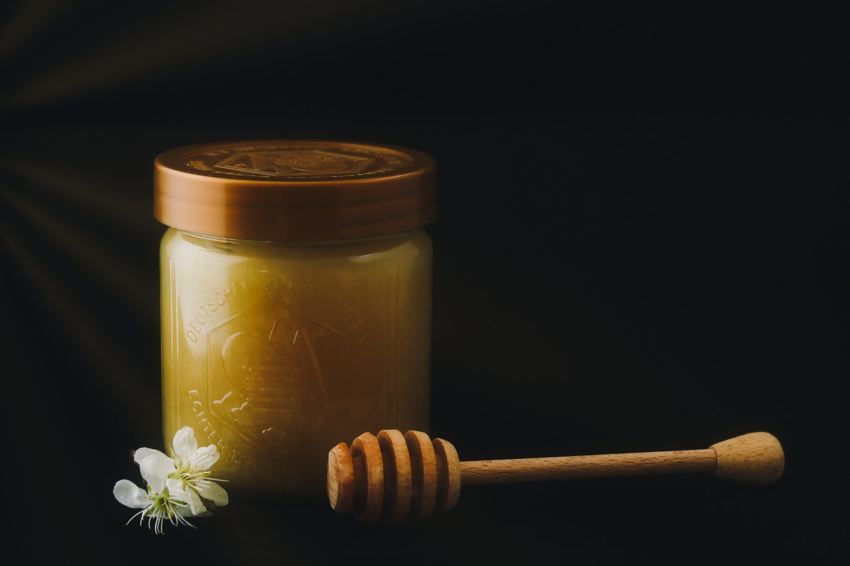
Manuka honey is produced from the nectar of the Manuka tree, native to New Zealand and Australia. Its key difference from regular honey lies in its source and antibacterial activity, containing stable and potent antibacterial compounds that can improve gastrointestinal conditions. Due to import tariffs and transport costs, it is priced higher.
Manuka honey is a type of honey from European honeybees, and most single-flower honeys on the Chinese market are also from European honeybees.
Commentary
Manuka honey occupies a high-end position in the health food market due to its unique antibacterial activity. For New Zealand small and medium business owners, this is not only a successful case of product differentiation but also reveals the core of brand premium: scarcity plus scientific endorsement. However, Chinese consumers' awareness of Manuka honey is still focused on 'stomach-nourishing' benefits, leaving significant room for market education, though competition is intensifying.
On one hand, New Zealand's origin advantage is clear, but there is a risk of counterfeit products damaging reputation. On the other hand, local Chinese honey brands may imitate antibacterial properties through technical means, posing a substitution threat. For New Zealand exporters, it is advisable to strengthen the authority of the UMF (Unique Manuka Factor) rating system and expand e-commerce channels to reach consumers directly.
At the same time, attention should be paid to China's labelling and traceability requirements for imported foods to ensure compliance. In the long term, the success model of Manuka honey can be replicated for other specialty foods, but over-reliance on a single category should be avoided.
Keywords: Manuka honey, New Zealand, antibacterial activity, European honeybee honey, import tariffs, gastrointestinal health, brand premium, market education
Summary in Chinese | 摘要
麦卢卡蜂蜜源自新西兰和澳大利亚特有的麦卢卡树,蜜蜂采集其花蜜酿制而成。与普通蜂蜜的主要区别在于蜜源和抗菌活性物,麦卢卡蜂蜜含有稳定且强大的抗菌成分,对肠胃疾病有改善作用。由于进口关税和运输成本,价格较高。
麦卢卡蜂蜜属于意蜂蜜,中国市面上的单花蜜也多为意蜂蜜。
Commentary in Chinese | 评论
麦卢卡蜂蜜以其独特的抗菌活性物在健康食品市场占据高端定位,对新西兰中小企业主而言,这不仅是产品差异化的成功案例,也揭示了品牌溢价的核心:稀缺性+科学背书。然而,中国消费者对麦卢卡蜂蜜的认知仍集中在‘养胃’功能,市场教育空间大,但竞争也日益激烈。一方面,新西兰原产地优势明显,但需警惕假冒伪劣产品冲击信誉;另一方面,中国本土蜂蜜品牌可能通过技术手段模仿抗菌特性,形成替代威胁。
对于新西兰出口商,应强化UMF(独特麦卢卡因子)评级体系的权威性,并拓展电商渠道直接触达消费者。同时,关注中国对进口食品的标签和溯源要求,确保合规。长期看,麦卢卡蜂蜜的成功模式可复制到其他特色食品,但需避免过度依赖单一品类。
关键词: 麦卢卡蜂蜜, 新西兰, 抗菌活性, 意蜂蜜, 进口关税, 肠胃健康, 品牌溢价, 市场教育

Source: Zhihu
Disclaimer: This article is compiled from publicly available sources for general information only. The analysis and commentary are editorial opinions. MiDeer Observer does not guarantee the accuracy or completeness of the information provided. Readers should seek independent professional advice before relying on this content, or contact us for more information.
免责声明:本文基于公开信息编译,仅供一般性参考。文中分析与评论为编辑观点。MiDeer Observer 不对所提供信息的准确性或完整性作出保证。读者在依赖本文内容前,应寻求独立专业意见,或联系我们获取更多信息。